Lessons from K-Dramas, Hanok, and Slow Living
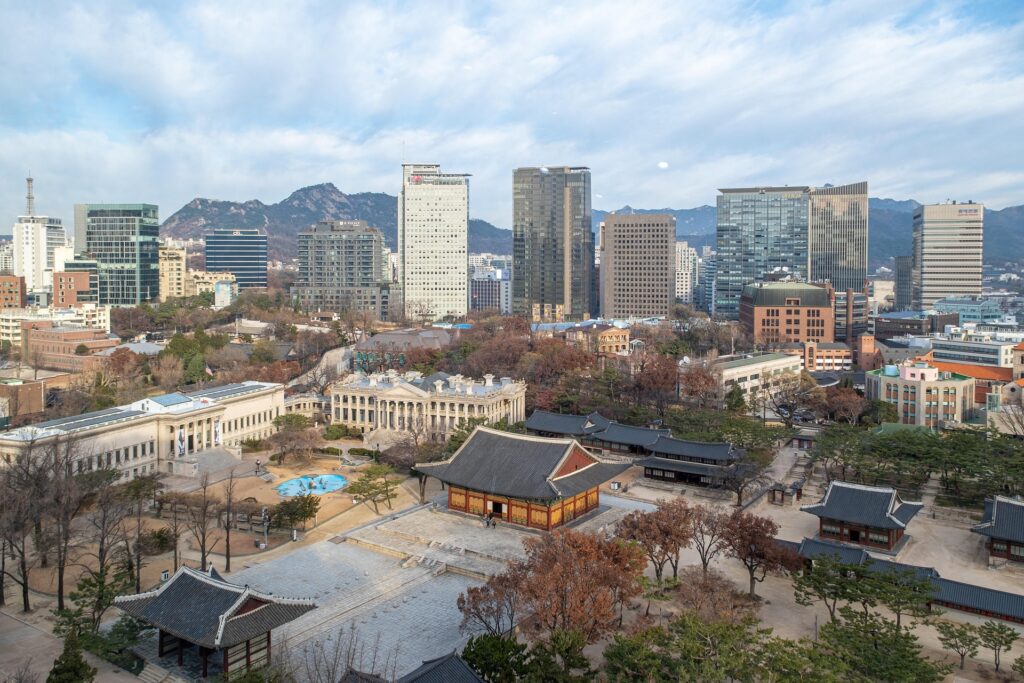
Something remarkable has happened over the past decade. Korean culture — its music, its dramas, its food, its quiet philosophies — has swept across the world and found a home in millions of hearts. We dance to the music, binge the dramas, and line up for the food.
But beneath the surface of the “Korean wave” lies something deeper than entertainment. There’s a set of values and ways of living that, once you notice them, can quietly transform how you move through your own days.
Let me share a few of the lessons I’ve found most inspiring.
The Emotional Honesty of K-Dramas
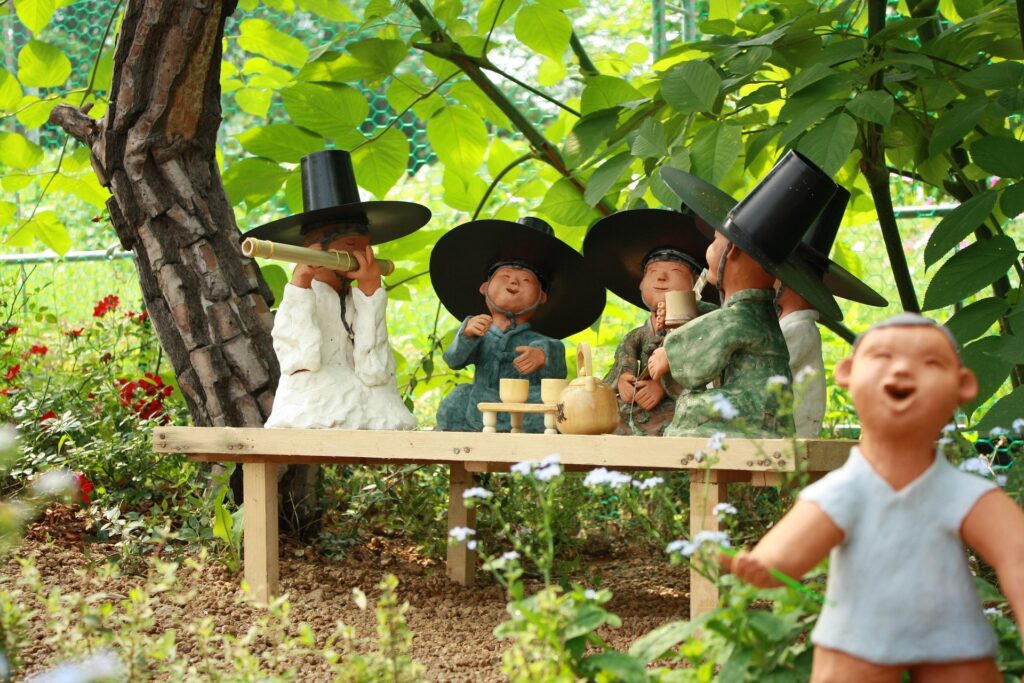
If you’ve ever fallen into a Korean drama, you know they’re not quite like anything else. They take their time. They linger on a glance, a cup of tea, a moment of silence between two people. They aren’t afraid of deep feeling — of longing, grief, tenderness, or joy.
In a world that often rushes us past our emotions, K-dramas offer a different model: that feeling things fully is not weakness, but a kind of richness. They remind us that the small moments — a shared meal, a walk home, an unspoken understanding — are often where life actually happens.
The lesson? Slow down enough to feel your own life. The quiet moments are not the spaces between the story. They are the story.
Hanok: The Wisdom of Living With Nature
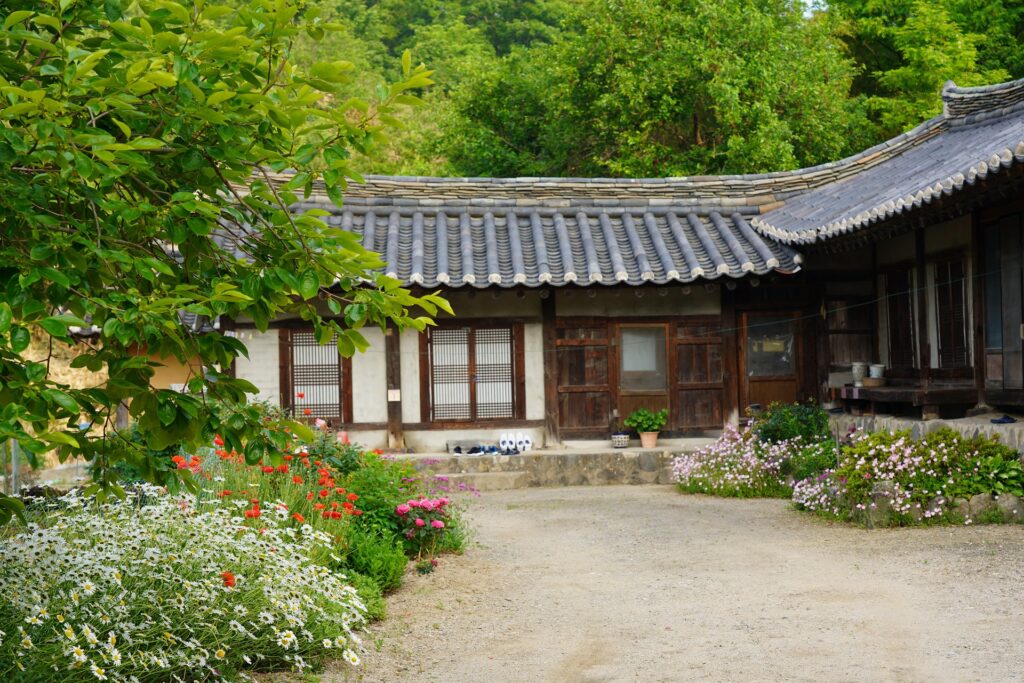
A hanok is a traditional Korean house, and to step into one is to step into a philosophy. Hanok are designed in harmony with their surroundings — oriented to catch the breeze in summer and the sun in winter, built from wood, stone, paper, and earth. There’s a concept called baesanimsu: mountains behind, water in front.
The hanok teaches something our modern lives often forget: that our spaces shape our spirits. That living with nature, rather than sealed away from it, settles something in us.
You don’t need a hanok to borrow this wisdom. Open a window. Bring in a plant. Let natural light into your mornings. Arrange your space so it breathes. Small shifts toward nature have an outsized effect on how peaceful we feel.
The Quiet Power of Slow Living
Amid Korea’s famously fast-paced cities, there’s a counter-current that has always been there — a deep tradition of slowness and intention. You see it in the patient art of fermenting kimchi, in the unhurried ritual of tea, in temple stays where time seems to soften.
This slow living isn’t laziness. It’s the opposite: it’s attention. It’s the understanding that a life savored is richer than a life rushed.
In our productivity-obsessed culture, choosing slowness can feel almost rebellious. But there’s profound wisdom in it. Not every moment needs to be optimized. Some moments simply need to be lived.
Jeong: The Beauty of Deep Connection

There’s a Korean word that doesn’t translate neatly into English: jeong (정). It describes the deep, quiet bonds of affection and loyalty that grow between people over time — the warmth that connects family, friends, even neighbors and communities.
Jeong reminds us that the richest parts of life are rarely found alone. They’re found in the slow accumulation of shared meals, small kindnesses, and showing up for one another again and again. In an age of fleeting digital connection, jeong is a beautiful counter-model: relationships built to last, tended with care.
Bringing These Lessons Home
You don’t have to travel to Korea to live by these ideas. You can start today:
- Feel fully, the way a K-drama lingers in emotion.
- Live with nature, the way a hanok breathes with its surroundings.
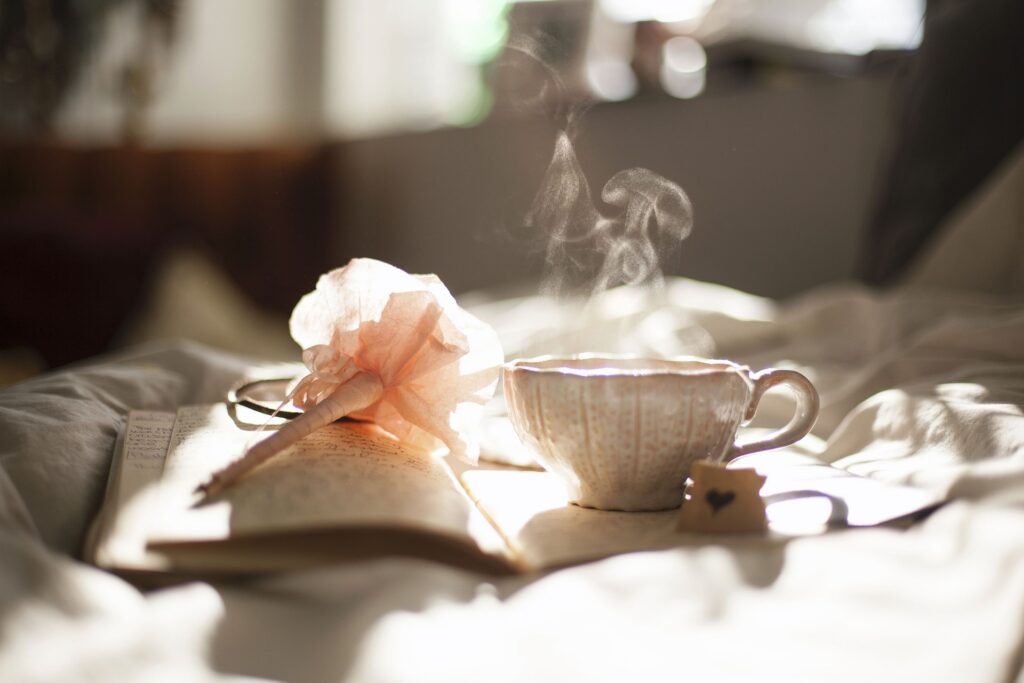
- Slow down, the way a cup of tea asks you to.
- Tend your bonds, the way jeong deepens over time.
Korean culture has captured the world’s attention with its energy and beauty. But its quieter gifts — emotional honesty, harmony, slowness, and deep connection — may be the ones that truly change how we live.
And in a way, that’s what an ageless life is all about: not rushing toward the future, but living each season fully, beautifully, and on purpose.
What small piece of this wisdom might you carry into your week?
— Sage