For a Slower, More Intentional Life
We live in a world that rewards speed. Faster mornings, fuller calendars, quicker replies. And yet the moments we remember most are almost never the fast ones — they’re the slow ones. The cup of tea that wasn’t rushed. The walk with no destination. The meal eaten without a screen.
Korea, a country famous for its breakneck pace and glowing city lights, also holds a quieter tradition: a deep respect for balance, presence, and care. Tucked inside Korean daily life are small rituals that gently pull you back to the present. You don’t need to move to Seoul or speak the language to borrow them. You just need a little intention.
Here are seven Korean-inspired rituals you can fold into your day — no matter where in the world you wake up.
1. Begin with warmth, not your phone
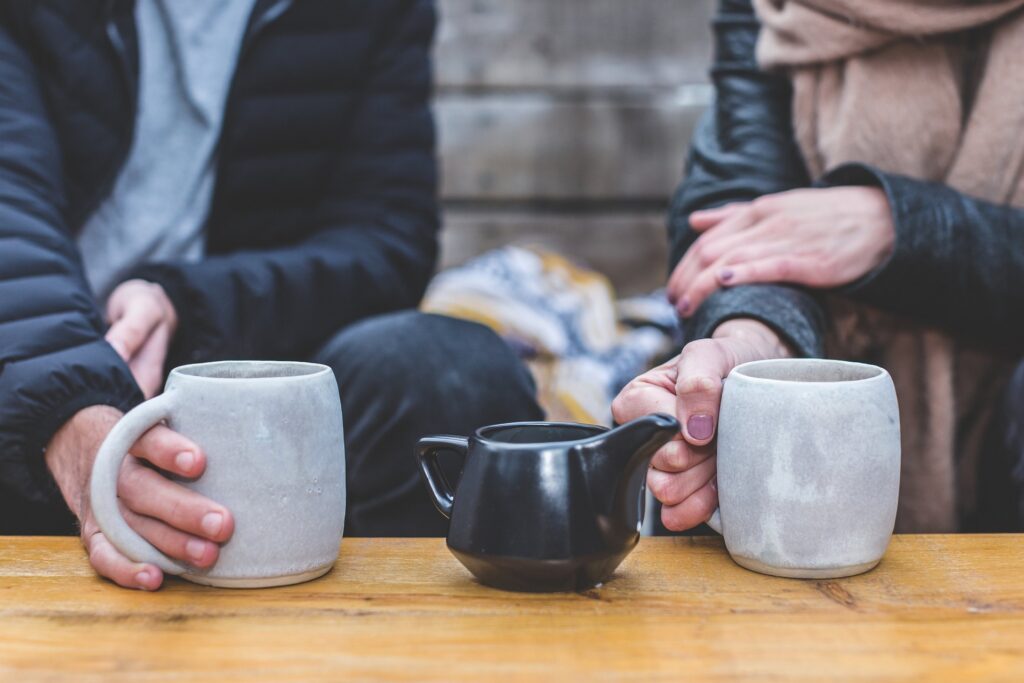
In many Korean homes, the day starts with something warm — often a cup of tea or a bowl of soup. There’s wisdom in this. Instead of reaching for your phone and flooding your brain with the world’s noise before you’re even awake, reach for warmth first.
Try it: before checking a single notification, make a warm drink and drink it slowly. Five quiet minutes with both hands wrapped around a cup can change the entire tone of your morning.
2. Practice jeong — the art of small kindnesses
Jeong (정) is one of the most beautiful untranslatable Korean words. It describes the deep, quiet affection that grows between people through small, consistent acts of care — sharing food, remembering details, showing up.
You don’t need grand gestures. Text someone just to say you thought of them. Leave a snack on a coworker’s desk. Jeong reminds us that connection isn’t built in big moments; it’s built in tiny ones, repeated.
3. Eat in colors — the bansang way
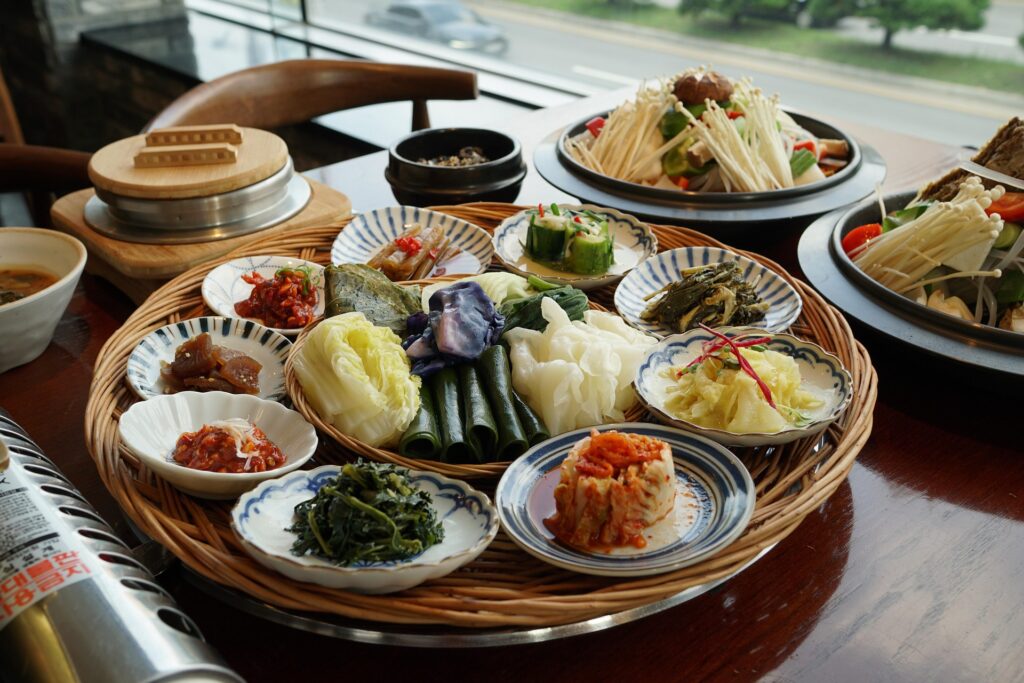
A traditional Korean meal, or bansang, is rarely just one dish. It’s a small spread of many — rice, soup, and an array of side dishes called banchan, often naturally colorful and full of vegetables. The philosophy is balance: a little of many things rather than a lot of one.
You don’t need a dozen bowls. Simply ask one question at your next meal: is there color on my plate? Eating a variety of whole, colorful foods is one of the gentlest ways to care for your body — and it’s been part of Korean wellness for generations.
4. Take a sanchaek — a walk with no purpose

Sanchaek (산책) means a leisurely stroll. Not a workout. Not a commute. A walk taken simply for the pleasure of walking. In Korea, an evening sanchaek after dinner is a cherished, ordinary joy.
The rule is simple: no destination, no step goal, no podcast required. Just move slowly and let your mind wander. You’ll be surprised how often your best thoughts arrive when you stop chasing them.
5. Create a jip that breathes
In Korean design, the home — jip (집) — is meant to feel calm and uncluttered, a sanctuary from the busy world outside. Think clean surfaces, natural materials, soft light, and only the things you truly love or use.
You don’t need to renovate. Choose one small space — a corner, a shelf, a single drawer — and clear it completely. A little visual quiet creates a surprising amount of mental quiet.
6. Honor rest as productive
Korean has a lovely concept of swim (쉼) — rest, pause, breath. In a culture that works famously hard, rest isn’t laziness; it’s the thing that makes the hard work sustainable. Even the most driven people need to refill the well.
Give yourself permission to do nothing for a short while each day, guilt-free. Stare out a window. Lie on the floor. Rest is not the reward for finishing your life — it’s part of living it.
7. End the day with gratitude
Before sleep, take a breath and name one good thing from your day — however small. A kind word. A warm meal. A moment of laughter. This simple practice echoes a quiet wisdom found across Korean tradition: that contentment doesn’t come from having more, but from noticing what’s already here.
Slowing down is its own kind of luxury
None of these rituals require money, special equipment, or a plane ticket. They ask for something rarer: your attention. In a world racing forward, choosing to slow down — even for five minutes — is a quietly radical act of self-respect.
You can start with just one. Pick the ritual that pulled at you most, and try it tomorrow. Then let it grow, the way the best habits do — slowly, gently, one warm cup at a time.
Korean-Inspired Slow Living: Frequently Asked Questions
Do I need to be Korean, or know anything about Korea, to try these?
Not at all. These rituals are shared as an invitation, not a rulebook. They come from Korean culture, but the feelings underneath them — presence, warmth, rest, intention — belong to everyone. Take what resonates, leave what doesn’t, and make each one your own.
Isn’t slow living a luxury most of us don’t have time for?
That’s the beautiful surprise: most of these rituals don’t ask for more time, only for a little more attention to time you already spend. You’re already drinking tea, walking somewhere, tidying a room, sharing a meal. Slow living is less about adding hours and more about being present for the ones you have.
Where should I start if I only pick one?
Start with whichever one made you exhale a little as you read it. There’s no “correct” first ritual. Many people find that the smallest, most repeatable one — a mindful cup of tea, a slow walk, a moment of stillness before the day begins — is the easiest thread to pull, and the rest tend to follow naturally.
Is this the same as mindfulness or meditation?
They’re cousins. Formal mindfulness often means setting aside dedicated time to sit and observe the mind. These rituals weave that same quality of attention into ordinary daily life instead — turning tea, walking, or tidying into small, living meditations. You don’t have to choose between them; they support each other beautifully.
Won’t slowing down make me less productive?
It’s a fair worry in a culture that prizes speed. But many people find the opposite: that a few intentional pauses actually leave them steadier, clearer, and less prone to the scattered rushing that quietly drains a day. Slowing down on purpose isn’t the enemy of a full life — it’s often what makes a full life feel good to live.
This is the heart of what Ageless Life is all about: living fully and intentionally at any age, with a little help from timeless wisdom. If that’s the kind of life you’re reaching for, you’re in exactly the right place. Stay a while.
— Sage