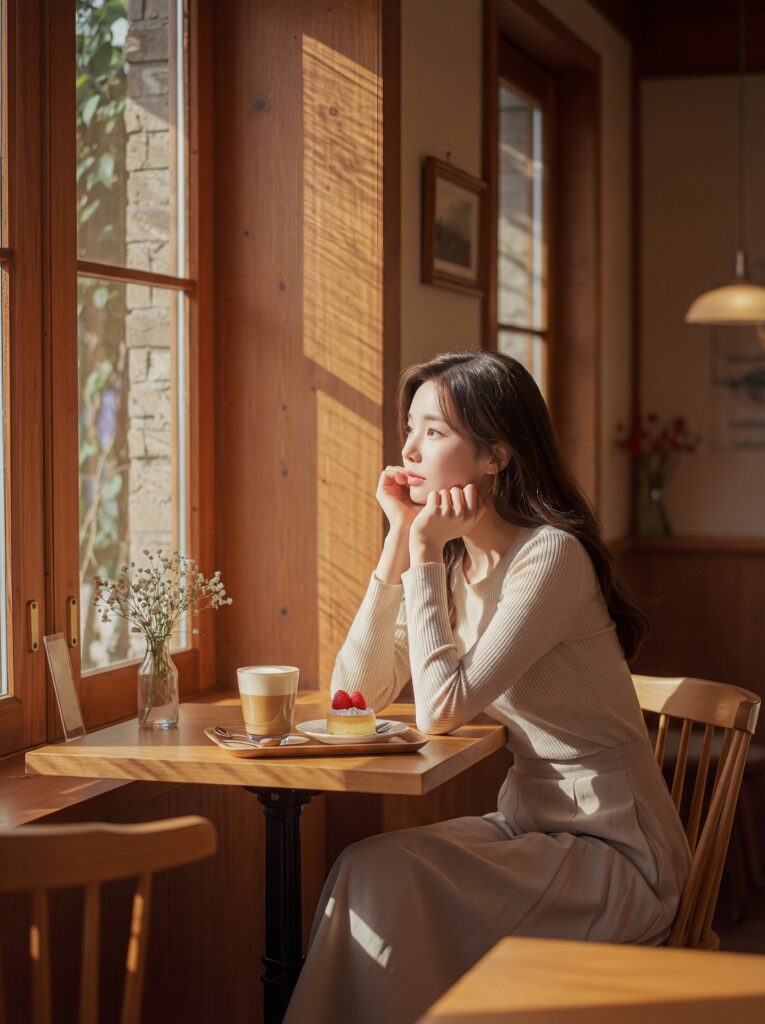
The Art of Aging on Purpose
Somewhere along the way, most of us absorbed a quiet assumption: that life is a hill. You climb it through your youth, you stand briefly at the top somewhere in the middle, and then — slowly, inevitably — you head down the other side.
It’s such a familiar picture that we rarely stop to ask whether it’s true.
This essay is an invitation to ask. Because the more closely you look, the more that hill starts to look less like a fact of nature and more like a story — one we inherited, one we can question, and one, if we choose, we can rewrite.
The Story We Inherited
Nobody sat us down and taught us that aging is decline. We absorbed it — from advertising that treats every wrinkle as an emergency, from a culture that worships the new, from a thousand small messages that quietly equate “older” with “less.”
And so we start bracing. We talk about being “over the hill.” We joke about our “best years.” We catch ourselves saying I’m too old for that about things we genuinely still want. The story becomes a lens, and then the lens becomes a life.
But a story is not the same as the truth. And this particular story, it turns out, is far more recent and far more local than it feels.
Where This Idea Actually Comes From
For most of human history, and across many cultures still today, growing older carried a completely different meaning. Age was tied to authority, to memory, to the kind of judgment a community leaned on. The elder wasn’t the person fading out of the story — they were often the person holding it together.
In many East Asian traditions, including the culture Ageless Life is rooted in, respect for age isn’t mere politeness. It reflects a genuine conviction that some forms of wisdom can only be gathered — never rushed, never downloaded, only lived into over time.
Even modern longevity research points the same way. In the regions sometimes called “blue zones,” where remarkable numbers of people stay healthy into great old age, one quiet thread keeps reappearing: elders remain woven into daily life. They have purpose, connection, and a role. They are never filed away as “past their prime.” The very design of their days keeps them living forward.
So the belief that aging is only subtraction isn’t a law of nature. It’s an inheritance — one culture’s particular anxiety, handed down so many times it began to feel like fact. And here is the hopeful part: anything inherited can be examined. And anything examined can be redesigned.
What It Means to Design It Instead
To design your aging is not to deny it. It’s not pretending the body doesn’t change, or that loss isn’t real. Design is something more grounded than denial. It’s the difference between a life that happens to you and a life you actively shape.
A designed life asks different questions. Not how do I slow the decline? but what do I want to build in this season? Not what am I losing? but what am I finally free to gain? The shift sounds small. It changes everything.
Three lenses help me hold this idea steady. Think of them as the pillars this whole blog stands on.
The first lens: Mindset
The way we frame the years shapes the way we live them. A mind braced for decline stops reaching — stops starting things, meeting people, learning. A mind that believes it’s still becoming keeps reaching, and the reaching itself keeps it alive. Mindset isn’t decoration. It’s infrastructure.
The second lens: Wisdom
There’s a reason this way of thinking feels so at home in Korean tradition. In Korean Saju — the practice of reading life’s cycles and energy that Koreans have refined over thousands of years — a life was never imagined as a single arc that rises and falls. It was read as a sequence of seasons, each with its own weather, its own gifts, its own kind of strength. Saju even maps great cycles that turn roughly every decade, each one opening energy that simply wasn’t available before.
What that worldview quietly assumes is beautiful: that later seasons aren’t lesser seasons. Winter isn’t a failed summer. A season that arrives at sixty was never meant to arrive at twenty — you had to gather enough to enter it. You don’t need to practice Saju to borrow its wisdom. The invitation is simply to stop measuring your whole life against a single peak, and start noticing the particular gift of the season you’re actually in.
The third lens: Science
And here’s where it gets genuinely interesting — because this isn’t only poetry. Researchers who study attitudes toward aging keep noticing a striking pattern: people who hold more positive, more agency-driven beliefs about growing older tend, on average, to stay more active, more connected, and more engaged in caring for themselves over time.
You can see the logic without a single statistic. The belief and the behavior reinforce each other. If you see the years ahead as something you’re building, you’re far more likely to keep doing the things — moving, learning, connecting — that make those years good. The mindset doesn’t work by magic. It works by shaping the thousand small choices that quietly add up to a life.
None of this erases the real challenges of aging, and a good attitude is no substitute for good care. Bodies change; that’s honest and true. But the evidence increasingly suggests something freeing: how you frame the years isn’t a passive backdrop to your aging. It’s one of the active ingredients — which means it’s something you get to author, too.
How to Start Designing
Design can sound grand, but it lives in small, daily choices. A few that help me:
Notice the inherited story. The next time you hear yourself think I’m too old for that, pause. Ask whether it’s actually true, or just the hill talking.
Keep starting things. Nothing signals “still becoming” to your own mind like a beginning. A new skill, a new route, a new question. Beginnings are ageless.
Tend the body as a partner, not a project. Move it, feed it, rest it — not to fight time, but to stay capable for everything you still want to do. (Always check with a qualified professional for what’s right for you.)
Stay woven in. Purpose and connection are, quietly, some of the strongest threads in a long and vital life. Don’t let yourself be filed away. Stay in the middle of things.
Name the gift of this season. Whatever age you are, something is available to you now that wasn’t before. Find it. Build there.
The Quiet Truth Underneath It All
Aging is not a decline you have to manage. It’s a design you get to author — season by season, choice by choice, log by log on a fire you’re still building.
You are not running out of time. You are learning, finally, how to shape it.
And I’d love to hear from you. What season do you feel you’re in right now — and what are you designing in it? Scroll down and leave a comment. There’s something quietly powerful about a whole community naming their seasons side by side.
— Sage
This essay is offered for reflection and inspiration. Where it touches on health, it’s general information only, not medical advice — please consult a qualified professional for guidance that’s right for you. Korean Saju is a traditional practice shared here for reflection, not prediction.