
How to Build It at Any Age
For decades, we were told the secret to a long life was simple: eat less, weigh less, do more cardio. But longevity science has quietly shifted its gaze toward something most of us overlooked entirely — muscle. Not bodybuilder muscle. Not vanity muscle. The everyday, functional strength that lets you carry groceries, climb stairs, catch yourself when you stumble, and stand up from a chair without thinking about it.
It turns out that the amount of muscle you carry into your later years may be one of the strongest predictors of how well — and how independently — you’ll live. Here’s why, and what you can actually do about it, starting today.
The quiet decline no one warns you about
Beginning around age 30, the average adult loses 3–8% of their muscle mass per decade, and the rate accelerates after 60. This gradual loss has a name: sarcopenia. Because it happens so slowly, most people never notice it until something gives way — a fall, a struggle to rise from the floor, a sudden frailty that seems to appear “out of nowhere.”
But sarcopenia isn’t inevitable, and it isn’t irreversible. The body remains remarkably responsive to strength training well into our 80s and 90s. Studies of older adults who begin resistance training — even in their ninth decade — show meaningful gains in strength, mobility, and balance. The muscle is waiting. It just needs to be asked.
Why muscle matters far beyond strength
Muscle isn’t just for lifting. It’s an active, living organ that shapes your whole-body health in ways researchers are still uncovering:
- Metabolic health. Muscle is where your body stores and burns glucose. More muscle means better blood sugar control and a lower risk of type 2 diabetes.
- Bone strength. The pull of working muscle stimulates bone to stay dense, helping protect against the fractures that so often steal independence later in life.
- Balance and fall prevention. Strong legs and a strong core are your best insurance against the falls that are a leading cause of injury in older adults.
- Longevity itself. Grip strength and leg strength are now used by researchers as simple, powerful markers of overall health and life expectancy.
In short: muscle is a savings account for your future independence. The more you build now, the more you can draw on later.
The Science, a Little Deeper
It’s easy to think of muscle as simply the thing that moves your body. But researchers increasingly describe muscle as something closer to an organ — one that actively shapes your metabolism, your bones, and even your brain. Understanding why muscle matters so much makes it a lot easier to prioritize.
Muscle is a metabolic engine
Muscle tissue is metabolically active, meaning it burns energy even at rest and plays a major role in how your body handles blood sugar. A large share of the glucose you take in is stored and used by muscle. When muscle mass declines, the body generally becomes less efficient at managing blood sugar — which is part of why maintaining muscle is so often linked, in research, to healthier aging.
Muscle talks to the rest of you
When muscles contract, they release small signaling molecules that scientists call myokines. Think of them as chemical messages that muscle sends out to other systems — influencing inflammation, metabolism, and even communication with the brain. This is one reason regular movement is associated with benefits that reach far beyond the muscle itself. In a real sense, working your muscles is a conversation your whole body is listening to.
Muscle and bone grow together
Bone responds to load. When muscle pulls on bone during effort, that mechanical stress signals the bone to maintain and rebuild its density. This is why strength-building movement is so often discussed alongside bone health: the two tissues are partners, reinforcing each other across a lifetime.
Why the “use it or lose it” pattern accelerates with age
Part of age-related muscle loss isn’t only about the muscle fibers themselves — it’s also about the nerve signals that activate them, and shifts in how the body builds and repairs tissue. The encouraging part is that the primary lever, consistent resistance-style movement, remains responsive at any age. The body is remarkably willing to adapt when you give it a reason to.
How to build muscle at any age — the gentle, sustainable way
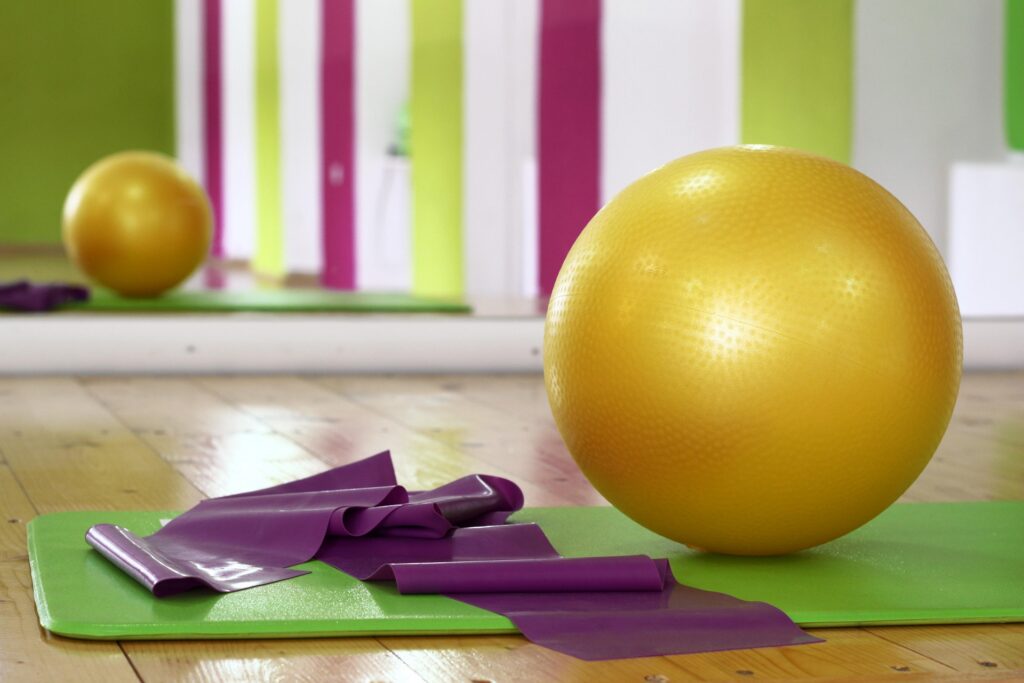
You don’t need a gym membership, heavy barbells, or hours a day. You need consistency and a willingness to start where you are.
Start with bodyweight
Sit-to-stands from a chair, wall push-ups, gentle squats, and step-ups build real strength using nothing but your own body. Begin with what feels manageable — even five repetitions counts — and add a little each week.
Add resistance gradually

Once bodyweight feels easy, light dumbbells or simple resistance bands offer an easy next step. The principle is “progressive overload”: you slowly ask your muscles to do a little more over time, and they respond by growing stronger.
Train two to three times a week
Muscle is built during recovery, not just during effort. Two or three short sessions a week — even 20 minutes each — are enough to create real change. Rest days are part of the program, not a break from it.
Don’t forget protein

Muscle is built from protein, and our needs actually increase as we age. Aim to include a good protein source at each meal — eggs, fish, beans, tofu, yogurt, lean meat. Spreading protein across the day helps your body use it more effectively than saving it all for dinner.
Common Myths About Muscle and Aging
A lot of the reasons people avoid strength-building come from ideas that simply aren’t accurate. Here are a few worth retiring.
Myth: “It’s too late for me to build muscle.”
This is perhaps the most common — and most discouraging — myth. Research on older adults consistently shows that muscle remains responsive to training well into later decades. The body doesn’t lose its ability to adapt; it just needs the stimulus. Starting later doesn’t mean starting hopeless.
Myth: “Lifting weights will make me bulky.”
Building large, bulky muscle takes very specific, intensive, sustained effort — it doesn’t happen by accident. For most people, and especially most women, strength-building movement tends to produce a leaner, stronger, more capable body, not a dramatically larger one. The everyday goal is function and resilience, not size.
Myth: “Cardio is all I really need.”
Cardiovascular exercise is genuinely valuable for the heart and lungs — but it doesn’t do much to preserve muscle mass or bone density. The two kinds of movement solve different problems. A well-rounded approach usually includes both, rather than treating cardio as a substitute for strength work.
Myth: “Muscle loss is just an unavoidable part of getting old.”
Some decline is natural, but the steep, disabling loss many people assume is inevitable is largely disuse in disguise. A great deal of what gets blamed on age is really the accumulated effect of years of not challenging the muscles. That’s a hopeful distinction — because disuse is something you can change.
It’s never too late — and never too early
Here’s the part worth tattooing on your heart: the best time to start building muscle was 20 years ago. The second-best time is today. Whether you’re 35 or 75, your body is ready to grow stronger the moment you begin.
Aging well isn’t about clinging to youth. It’s about building a body that can keep doing the things you love — hiking with friends, lifting grandchildren, traveling without fear, living on your own terms — for as many years as possible.
How Ageless Life Sees Strength
There’s a reason this topic sits so close to the heart of Ageless Life. Everything here rests on a single, quietly radical idea: that aging isn’t only a story of subtraction. Your body, like the rest of you, is still capable of building — of getting stronger, steadier, and more resilient with intention, not less.
Strength is where that philosophy becomes physical. It’s the most literal proof that “ageless” isn’t about denying the years, but about meeting them with vitality. The same spirit runs through everything on this site — from the way we read life’s seasons in Korean Saju, to the small daily habits that make a life feel rich. Muscle is simply where that belief shows up in the body.
Muscle & Aging: Frequently Asked Questions
The answers below are general information, not personal medical advice. For guidance tailored to you, please talk with a qualified healthcare professional.
When should I start strength-building movement?
The general answer researchers tend to give is simply: as soon as you reasonably can. Because muscle stays responsive at any age, there’s no age at which starting stops being worthwhile. Earlier means more years of benefit — but “now” is always a good time to begin.
I have joint pain or a health condition. Can I still do this?
Many people with joint concerns or chronic conditions can still benefit from appropriate strength-building movement, often with modifications — but this is exactly the situation where individual guidance matters most. A doctor, physical therapist, or qualified trainer can help you find safe options for your specific body.
How often is generally recommended?
Public health guidance around the world commonly points to including muscle-strengthening activity on two or more days per week as a general baseline for adults. What that looks like in practice varies widely by person, which is why professional guidance is so useful for a specific plan.
Do I need protein supplements or special products?
Not necessarily. Most nutrition researchers emphasize getting enough protein from everyday food first, and note that protein needs may be somewhat higher as we age. Whether a supplement adds anything for you specifically is an individual question best answered with a healthcare professional or dietitian.
Do I need a gym or equipment?
No. Bodyweight movement, resistance bands, and everyday objects can all provide meaningful resistance, especially when you’re starting out. The principle that matters is gradually challenging your muscles over time — the setting is secondary.
That’s the whole philosophy behind Ageless Life: that growing older can be a process of getting stronger, not weaker — more capable, more free. Strength is one of the most powerful gifts you can give your future self. Why not start giving it today?
— Sage
This article is for general educational and informational purposes only and is not medical, fitness, or nutritional advice. Everybody is different — please consult a qualified healthcare professional before beginning any new exercise or nutrition program, especially if you have an existing health condition.